Jakarta – May 8, 2026
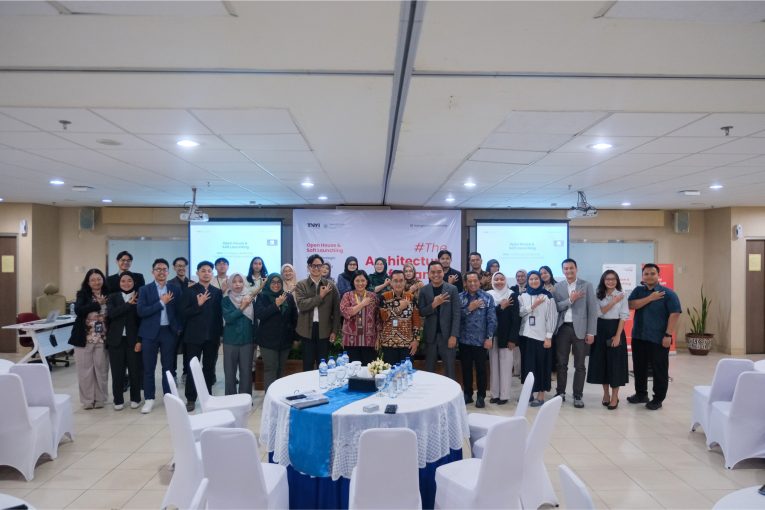
The MBA FEB UGM Jakarta Campus has officially launched a new concentration in Strategic Leadership, Organizational Design, and Culture. This initiative is the result of innovation and collaborative development with The New You Institute (TNYI). The new concentration represents a joint initiative aimed at driving organizational change, and also serves as a response to the growing leadership gap within organizations facing transformation challenges in the digital economy era.
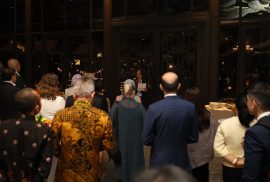
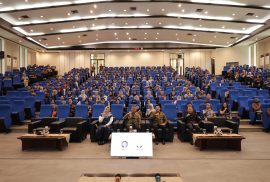
The concentration was launched at an Open House x Soft Launch event on Friday (8/5). The event was attended by the Dean of the Faculty of Economics and Business Universitas Gadjah Mada, Prof. Dr. Didi Achjari, S.E., M.Com., Ak., CA. “Organizations need to prepare agile leaders capable of managing global market expectations,” he stated. This concentration combines three main pillars such as strategic decision-making, organizational architecture, and cultural transformation.
TNYI Chairman, Dr. Zulfikar Alimuddin explained that the curriculum is designed based on case studies. Strategic leadership is defined as the ability of each individual in an organization to make bold decisions, how the organization internalizes values within its members, and builds competency based on awareness, not just an enforced system. “Companies need to be able to make decisions that align with organizational values,” he added.
A common challenge faced by organizations is that many strategies fail to be executed not because of a flawed vision, but due to organizational designs that create obstacles. A misalignment of organizational design with implementation needs can be a major obstacle. Overly rigid procedures can also distort operational speed, resulting in a gap between compliance and work speed. Therefore, this new concentration is expected to produce capable and reliable strategic leaders and change agents for the future.
This collaboration offers fully funded and partially funded scholarships with several requirements. Participants are mid- to senior-level professionals with a minimum of three years of work experience. The learning method will combine conceptual, contextual, and experiential learning. The approach will utilize living cases, experience, and reflection. It is hoped that graduates of this concentration will become strategic decision makers, organizational architects, evidence-informed leaders, and adaptive culture builders.
Humas: Suci Hapsari